Insurance is the part of yacht ownership nobody gets excited about and everybody is grateful for it if they ever need it. In Florida it deserves more attention than most buyers give it, because our market has rules that owners coming from other states, or from no boat at all, do not expect. Get the policy right up front and it is a non-event. Get it wrong and you find out at the worst possible moment, usually with a storm in the Gulf.
I am not your insurance agent, and you should always work with a good marine specialist to bind the actual policy. But after years of helping Florida buyers close on boats, here is what I make sure every one of them understands before they sign.
Named-storm and hurricane-haul-out clauses
This is the big one in Florida. Most policies written for our waters include named-storm provisions, and you need to read them, not skim them. Two things to look for.
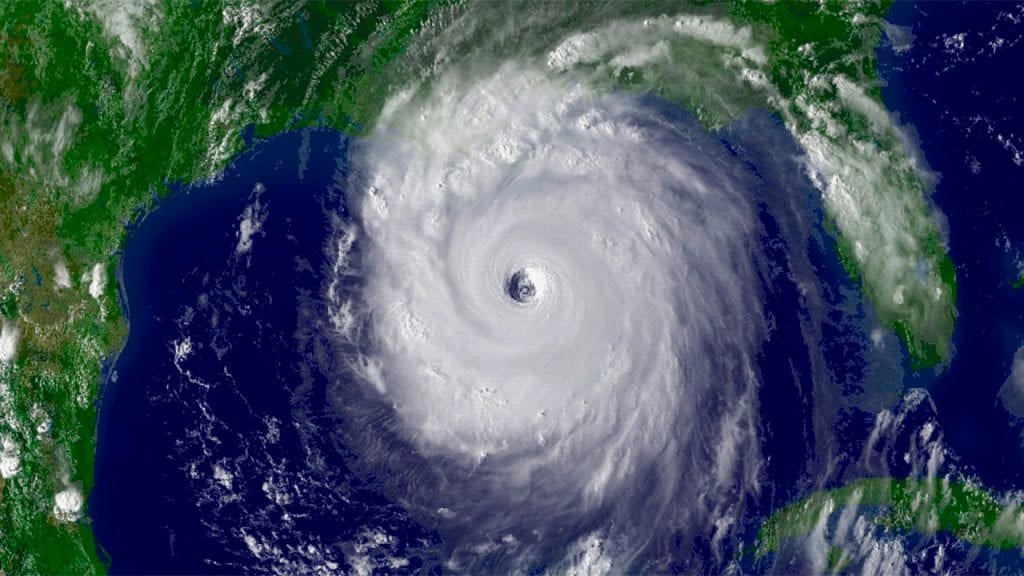
Second, the hurricane or named-storm plan. Many Florida policies require you to have an approved plan for what you will do with the boat when a storm is named: haul out, move to a designated hurricane hole, double up lines and strip canvas, whatever the policy specifies. Some policies will help with a portion of haul-out costs. The catch is that the plan only protects you if you actually follow it. If your policy requires a haul and you leave the boat in the slip, a claim can be denied. Know your obligations in June, not when the cone is pointed at you.
"In Florida, the named-storm clause is the part of the policy that actually gets tested. Read it the day you buy the boat, not the day the storm is named."Clark Haley, One Water Yacht Group
Agreed value versus actual cash value
This single choice can change everything about how a total loss plays out, so understand it before you pick.
Agreed value means you and the insurer agree on the insured amount up front, and that is what you are paid in a total loss, no depreciation argument at claim time. It usually costs a bit more in premium, and it is what I steer most owners toward, because it removes the fight from the worst day.
Actual cash value means the insurer pays the depreciated market value of the boat at the time of loss, which they get to determine. The premium is lower, but you are taking on the risk that their number at claim time is well below what you think the boat is worth. For a boat you care about and have invested in, agreed value is usually the better trade.
How survey condition affects your premium
Here is where the buying process and the insurance process connect, and where a lot of first-time buyers are caught off guard. For most boats of any age or value, the insurer will require a recent condition and valuation survey before they will write or renew a policy. The survey does two jobs for the underwriter: it confirms the boat is worth the value you want to insure, and it flags any safety or condition issues.
That matters to you in real money. A clean survey, with up-to-date safety gear, sound systems, and no major deficiencies, gives the underwriter confidence and helps your premium and terms. A survey full of recommendations can mean the insurer requires repairs before binding, attaches conditions, or prices in the added risk. This is one more reason a thorough pre-purchase survey is not just buyer protection, it is the document that sets up your insurance too. Keep the report, address the safety items, and you walk into the policy from a position of strength.
A few practical notes for Florida owners
Navigation limits matter: make sure your policy actually covers where you run, including the Bahamas and the Gulf Stream crossing if that is your plan, because some policies restrict cruising range or require an extension. Confirm your layup or storage situation lines up with the policy. And bind your coverage before delivery, not after, so there is never a gap between closing and the boat being yours on the water.
None of this is meant to scare you off. Florida boats get insured every day, and a well-found boat with a clean survey and a sensible storm plan is a straightforward risk to write. The goal is simply to go in informed so the policy protects you the way you think it does.